
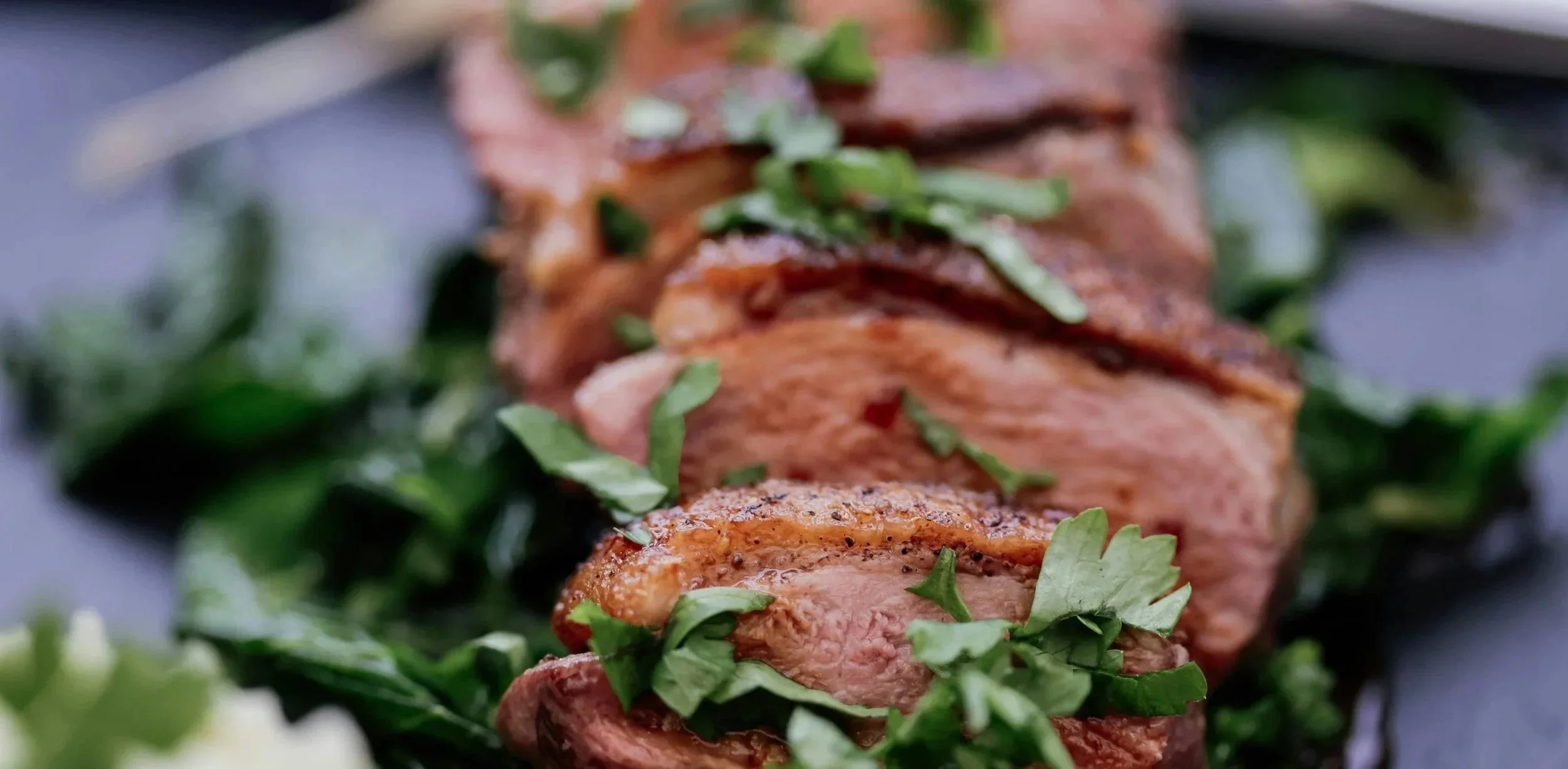
It is a surprising fact that the law of God commands his people to feast.
It is surprising for at least two reasons. First, because it was a great expense, involving lavish and time-consuming festivities that must have felt indulgent and unnecessary for the more frugal types. Second, because we often think of the Old Testament law as negative – don’t do this; don’t do that – but feasting was emphatically positive. It was mandatory fun. Get your best meat and your best wine, and have a party. And sometimes it lasted for days on end.
Yet, the Old Testament prescribes six feasts for the people of God. This meant that feasting was one of the major expenses for a faithful family in the course of the year, alongside tithing to the temple, and giving to the poor.
Why was feasting so prominent and so important? There are three compelling reasons for feasting as part of a rich spirituality in the Scriptures.
First, it was about the spiritual discipline of remembering. It was a way of looking back at the goodness of God. The feasts were tied up with extraordinary moments in the history of God’s people (like the Passover feast remembering the Exodus from Egypt), or a recognition of God’s ongoing goodness to date (as in the Feast of Firstfruits, marking the harvest). The beginning of soul-rot always stemmed from forgetfulness and the absence of gratitude, when the hearts of God’s people were disconnected from the story of God’s goodness in their own lives, and over many generations. The same is true today: if we forget, we die a spiritual death. But feasting was a way of deliberately remembering God’s great acts and his faithfulness, retelling the stories from one generation to the next.
Second, it was about enjoying God’s goodness in the present. A feast was a moment when you had permission to pause from ordinary life, then to taste and savour the goodness of God right now. They were not just saying, God was good to us back then. And they were not hoping for some vague future moment when they could finally rest and enjoy life. But instead, they were tasting his goodness in the very moment that they could smell the roasting joint, and bite into the lamb, and sip the rich wine. Failure to receive the ordinary gifts of life as evidences of God’s goodness is one of our most basic problems and a cause of so much trouble in our lives. But one of the God-given remedies is to embrace feasting, when he gives you full permission to eat until you burst.
Third, it was about looking forward to the promise of a heavenly feast. A celebration here is a mere echo and foretaste of heaven, when our hearts will find rest and happiness in the presence of God. If you want to know what heaven is like, one answer is this: think about the best celebrations and feasts you’ve ever experienced.
Easter is a perfect moment to feast. Whilst the Bible never mandates an Easter feast – no doubt because every Sunday is a celebration of the death and resurrection of our Lord – it makes perfect sense to go to some extra effort and expense at this time of year. By doing so, you are looking back and remembering the moment that changed history and changed you. And you’re enjoying the goodness of God right now, since you’re part of his family through the cross. And you’re fixing your hope on a future for all God’s people at the Marriage Supper of the Lamb.
Therefore, go and feast to the glory of God.
These articles are 100% man-made, without the use of generative AI.